
The Complete Guide to AI Chatbots: How to Automate Customer Service and Boost Sales
Imagine a world where your business never sleeps, where every customer inquiry gets an instant response, and where your support team can focus on complex issues rather than repetitive questions. This isn't a futuristic fantasy—it's the reality that AI chatbots are creating for businesses today. In this comprehensive guide, we'll explore how AI-powered chatbots are transforming customer service, driving sales, and helping businesses of all sizes achieve remarkable growth through intelligent automation.
What Are AI Chatbots and How Do They Work?
AI chatbots are sophisticated software applications that use artificial intelligence, natural language processing (NLP), and machine learning to simulate human conversation. Unlike basic rule-based chatbots that follow predetermined scripts, AI chatbots can understand context, learn from interactions, and provide personalized responses that feel genuinely helpful.
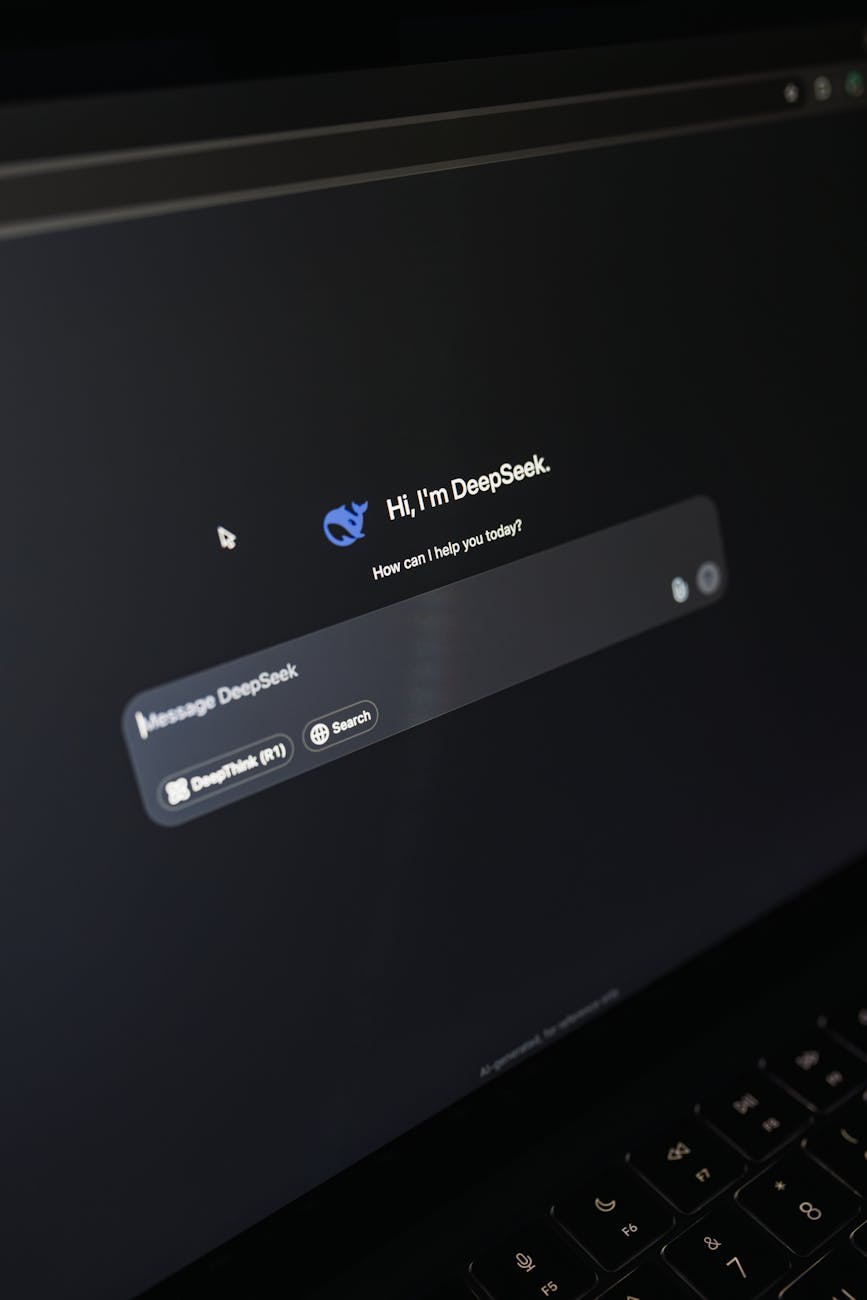
These intelligent assistants work by analyzing customer messages, identifying intent and entities, and generating appropriate responses based on their training data and ongoing learning. Modern AI chatbots can handle everything from answering frequently asked questions to guiding customers through complex purchase decisions, all while maintaining a natural, conversational tone.
The Business Benefits of Implementing AI Chatbots
24/7 Customer Support Without the Overhead
One of the most significant advantages of AI chatbots is their ability to provide round-the-clock support. While human agents need breaks, sleep, and weekends off, your AI assistant can handle customer inquiries at 2 AM on a Sunday with the same efficiency as during business hours. This constant availability dramatically improves customer satisfaction while reducing the need for expensive overnight staffing.
Increased Sales Through Instant Engagement
AI chatbots excel at capturing leads and converting them into customers. When a visitor lands on your website, an AI chatbot can immediately engage them, answer product questions, and guide them toward making a purchase. This instant engagement is particularly valuable in eCommerce, where hesitation often leads to abandoned carts. By providing immediate assistance, chatbots can significantly boost conversion rates.
Reduced Operational Costs
Implementing an AI chatbot can lead to substantial cost savings. By handling routine inquiries and simple tasks, chatbots free up human agents to focus on more complex, high-value interactions. This efficiency allows businesses to serve more customers without proportionally increasing their support staff. Many companies report reducing customer service costs by 30% or more after implementing AI chatbots.
Scalable Customer Service
As your business grows, so does the volume of customer inquiries. Scaling human support teams quickly can be challenging and expensive. AI chatbots provide a scalable solution that can handle increasing volumes of interactions without compromising quality. Whether you're serving 100 customers or 100,000, your AI assistant can manage the load consistently.
Valuable Customer Insights
Every interaction with your AI chatbot generates data that can provide deep insights into customer behavior, preferences, and pain points. By analyzing these conversations, businesses can identify common questions, spot trends, and make data-driven decisions to improve products, services, and customer experiences.
Industry-Specific Applications of AI Chatbots
Ecommerce and Retail
In the eCommerce sector, AI chatbots serve as virtual shopping assistants that can recommend products based on customer preferences, answer questions about sizing or availability, and even process orders directly within the chat interface. They excel at reducing cart abandonment by addressing concerns in real-time and can upsell or cross-sell products based on the customer's browsing history and stated needs.
For example, a fashion retailer might use an AI chatbot to help customers find the perfect outfit. The chatbot could ask about the occasion, preferred styles, and budget, then suggest specific items from the retailer's inventory. This personalized shopping assistance not only improves the customer experience but also increases average order value.
Healthcare
Healthcare organizations are using AI chatbots to triage patient inquiries, schedule appointments, provide medication reminders, and offer basic health information. These chatbots can help reduce wait times for non-urgent matters while ensuring that critical cases receive immediate human attention. They also play a valuable role in patient education, explaining medical procedures, and providing post-care instructions.
Education
Educational institutions leverage AI chatbots to answer student questions about admissions, course requirements, and campus services. They can provide tutoring assistance, help with homework, and offer personalized learning recommendations. For online education platforms, chatbots enhance the learning experience by providing instant feedback and support.
Enterprise and B2B
Large organizations use AI chatbots for internal support, helping employees with IT issues, HR questions, and policy inquiries. In B2B contexts, chatbots can qualify leads, schedule demos, and provide technical support to clients. They streamline complex business processes and improve communication efficiency across departments and with external partners.
Implementing Your AI Chatbot: A Step-by-Step Strategy
Define Your Objectives and Use Cases
Before implementing an AI chatbot, clearly define what you want to achieve. Are you primarily focused on reducing support costs, increasing sales, improving customer satisfaction, or all of the above? Identify specific use cases where a chatbot can add the most value, such as handling frequently asked questions, qualifying leads, or processing simple transactions.
Choose the Right Platform and Technology
Selecting the appropriate chatbot platform is crucial for success. Consider factors like integration capabilities with your existing systems, scalability, natural language processing capabilities, and ease of training. Some platforms are better suited for simple FAQ bots, while others excel at complex conversational AI. Evaluate multiple options based on your specific needs and technical requirements.
Design Conversational Flows and Personality
Your chatbot's personality should align with your brand voice. Since ChatBot emphasizes a friendly approach, your AI assistant should reflect this through warm, helpful language and an approachable tone. Design conversational flows that feel natural and intuitive, anticipating how customers might phrase their questions and what information they'll need next.
Train Your AI Assistant
Proper training is essential for chatbot success. Start by feeding your AI assistant with common questions and appropriate responses, then gradually expand its knowledge base. Use real customer interactions to identify gaps and improve accuracy. Remember that training is an ongoing process—as your business evolves, so should your chatbot's capabilities.
For specialized industries like healthcare and education, training requires particular attention to accuracy and compliance. Our article "How to Train Your AI Chatbot for Healthcare and Education: Best Practices" provides detailed guidance on developing chatbots that meet the unique requirements of these sensitive sectors.
Integrate Across Channels
Today's customers expect consistent experiences across all touchpoints. Ensure your AI chatbot integrates seamlessly with your website, mobile app, social media platforms, and messaging apps. This multichannel approach allows customers to interact with your business wherever they're most comfortable, maintaining conversation continuity as they switch between devices and platforms.
For guidance on creating a unified customer experience, explore our comprehensive resource on "Multichannel Chatbot Integration: Connecting Your AI Assistant Across Platforms."
Test Thoroughly Before Launch
Before going live, conduct extensive testing with both internal teams and a small group of actual customers. Test various scenarios, edge cases, and potential misunderstandings. Pay particular attention to how the chatbot handles ambiguous questions or requests outside its capabilities. Refine based on feedback until you're confident in its performance.
Monitor, Analyze, and Optimize
After launch, continuously monitor your chatbot's performance using analytics tools. Track metrics like resolution rate, customer satisfaction scores, conversation length, and escalation rate to human agents. Use these insights to identify areas for improvement and regularly update your chatbot's training data and conversational flows.
Best Practices for AI Chatbot Success
Maintain a Human-in-the-Loop Approach
While AI chatbots can handle many interactions independently, it's crucial to maintain a smooth handoff process to human agents when needed. Clearly indicate when customers are speaking with a bot versus a human, and ensure seamless transitions for complex issues that require human expertise. This hybrid approach combines the efficiency of automation with the empathy and problem-solving skills of human agents.
Prioritize Transparency and Privacy
Be transparent about your use of AI technology and how customer data is handled. Clearly communicate your privacy policies and ensure your chatbot complies with relevant regulations like GDPR or HIPAA, depending on your industry. Building trust through transparency is essential for long-term customer relationships.
Focus on Continuous Improvement
AI chatbots are not set-and-forget solutions. The most successful implementations involve regular updates based on customer feedback, changing business needs, and technological advancements. Schedule periodic reviews of your chatbot's performance and make adjustments to keep it effective and relevant.
Personalize the Experience
Leverage customer data to create personalized interactions. Use information like purchase history, browsing behavior, and previous conversations to tailor responses and recommendations. Personalization makes customers feel valued and increases the effectiveness of your chatbot's assistance.
Real-World Success: How ChatBot Transformed an Ecommerce Business
Consider the case of "StyleForward," a mid-sized online fashion retailer struggling with high cart abandonment rates and overwhelmed customer service during peak shopping seasons. After implementing an AI chatbot from ChatBot, they achieved remarkable results within just three months.
The chatbot was trained on their product catalog, sizing information, return policies, and common customer questions. It was integrated across their website and mobile app, providing instant assistance to shoppers. The AI assistant could recommend complementary items, explain fabric care instructions, and even help customers visualize how different sizes might fit based on their previous purchases.
The results were impressive: cart abandonment decreased by 28%, average order value increased by 19%, and customer satisfaction scores rose by 35%. Meanwhile, routine customer service inquiries handled by the chatbot freed up human agents to focus on complex issues and personalized styling consultations. This case demonstrates how strategic AI chatbot implementation can drive both sales growth and operational efficiency.
For more examples of how AI chatbots specifically benefit ecommerce businesses, check out our detailed analysis in "5 Ways AI Chatbots Increase Ecommerce Sales and Customer Satisfaction."
Overcoming Common AI Chatbot Challenges
Managing Customer Expectations
Some customers may expect AI chatbots to understand and solve every possible problem immediately. It's important to set realistic expectations about what your chatbot can do. Clearly communicate its capabilities and limitations, and make it easy for customers to reach human support when needed.
Handling Complex or Emotional Situations
While AI has advanced significantly, chatbots may still struggle with highly complex or emotionally charged situations. Implement clear escalation paths for these scenarios and train your chatbot to recognize when human intervention is necessary. This ensures customers receive appropriate support regardless of their needs.
Maintaining Consistency Across Interactions
As your chatbot learns and evolves, maintaining consistency in responses can be challenging. Regular training and quality assurance checks help ensure that your chatbot provides accurate, consistent information across all customer interactions.
The Future of AI Chatbots in Customer Service
AI chatbot technology continues to evolve rapidly, with several exciting developments on the horizon. Advances in emotional AI will enable chatbots to better recognize and respond to customer emotions. Improved contextual understanding will allow for more natural, flowing conversations that remember previous interactions. Integration with other emerging technologies like augmented reality will create entirely new customer service experiences.
As AI becomes more sophisticated, we'll see chatbots taking on increasingly complex tasks while maintaining the personal touch that customers value. The businesses that embrace these advancements early will gain significant competitive advantages in customer experience and operational efficiency.
Getting Started with Your AI Chatbot Implementation
Implementing an AI chatbot may seem daunting, but following a structured approach makes the process manageable and successful. Start with clear objectives, choose the right technology partner, and focus on creating genuine value for your customers. Remember that your chatbot should enhance rather than replace human interactions, working alongside your team to deliver exceptional customer experiences.
Whether you're in ecommerce, healthcare, education, or any other sector, AI chatbots offer powerful tools for automating customer service, boosting sales, and driving business growth. By implementing the strategies and best practices outlined in this guide, you can harness the power of AI to transform your customer interactions and build stronger, more profitable relationships.
The journey toward AI-powered customer service begins with a single step. Start by identifying one area where a chatbot could immediately improve your customer experience, then build from there. With careful planning, thoughtful implementation, and continuous optimization, your AI chatbot will become an invaluable asset that drives business success for years to come.