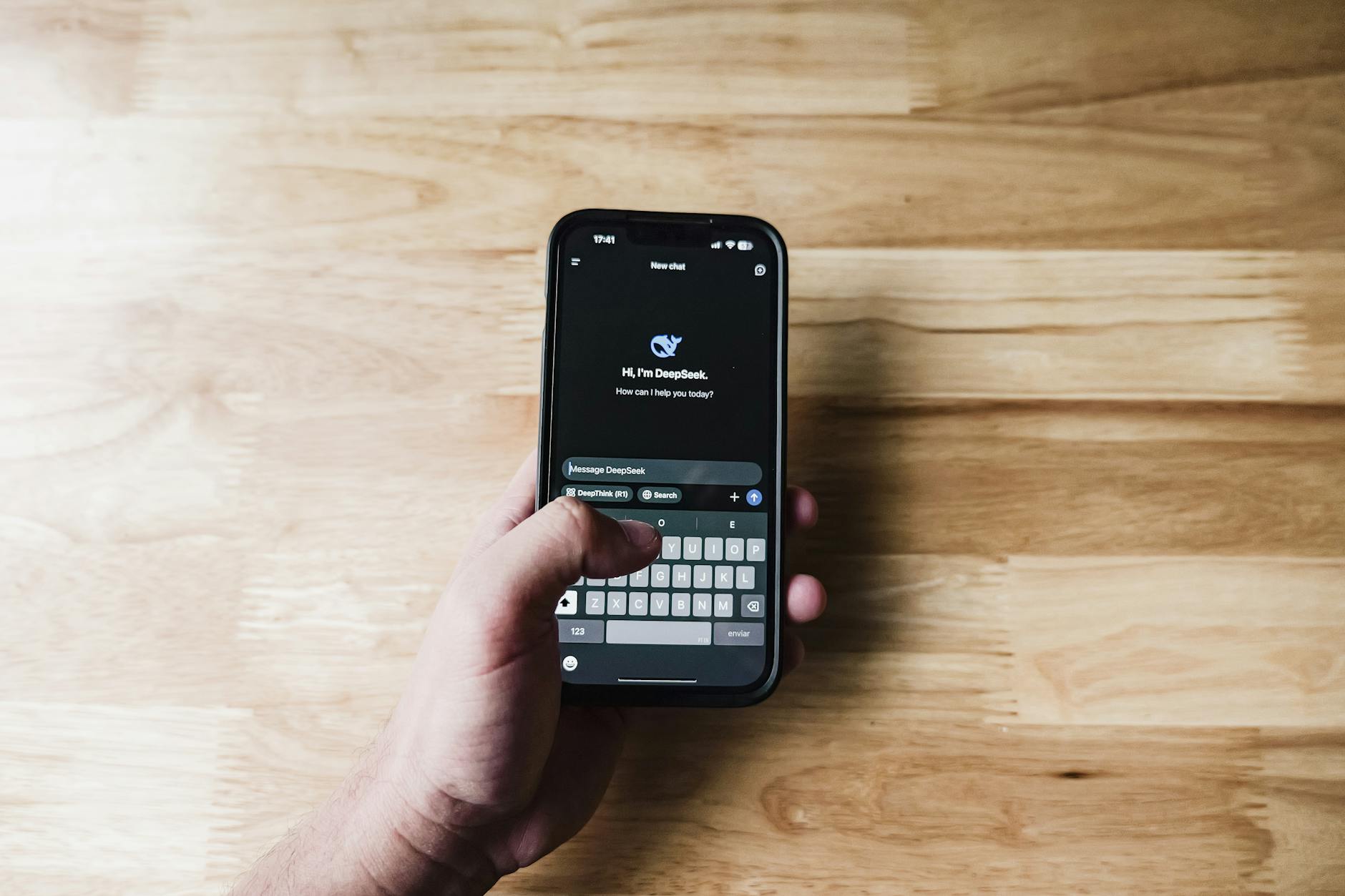
To maximize ROI, deploy your AI chatbot on the channels where your customers already spend time—typically your website for high-intent visitors, mobile app for returning users, and social media for discovery and support. A multichannel chatbot strategy that integrates web, mobile, and social channels can lift customer satisfaction scores above 90% and cut support costs by up to 30%, because it meets customers where they are with instant, consistent answers. The key is to align each channel with its unique role in the customer journey, not to replicate the same bot everywhere.
How Do You Choose the Right Channels for Your AI Chatbot?
Choosing chatbot channels isn't about picking the trendiest platform—it's about matching your customers' behavior and your business goals. Start by mapping your customer journey and identifying touchpoints where questions are most frequent and response time matters most. For most businesses, the web is the baseline: it's where high-intent visitors arrive with specific needs, such as pricing, shipping, or product specs. A chatbot on your website can immediately answer these, reducing friction and increasing conversion rates. Mobile apps, on the other hand, serve returning users who expect personalized, on-the-go support. An AI chatbot integrated into your mobile app can handle account questions, order tracking, and FAQs without forcing users to leave the app. Social media platforms like Facebook Messenger, Instagram, or WhatsApp are where customers ask questions before they even visit your site. Deploying a chatbot there captures those early inquiries and turns them into qualified leads. The right mix depends on your audience: an eCommerce brand might prioritize web and social, while a SaaS company might focus on web and mobile in-app support. The goal is to create a seamless experience where the bot remembers context across channels, so a conversation started on social can continue on your website without the customer repeating themselves.
What Is a Multichannel Chatbot Strategy and Why Does It Matter?
A multichannel chatbot strategy means deploying the same AI-powered bot across multiple platforms—web, mobile, social—while tailoring its behavior to each channel's context. It matters because customers expect consistent support wherever they are. If they start a chat on Facebook and then visit your website, they shouldn't have to re-explain their issue. A true multichannel approach uses a unified backend that shares conversation history, so the bot can pick up where the last interaction left off. This reduces customer effort, which is a key driver of satisfaction. According to ChatBot's value proposition, a multichannel integration is one of its core strengths, enabling businesses to provide 24/7 customer support across every touchpoint. The practical impact: you don't need separate bots for each channel—you build one bot, train it once, and deploy it everywhere. That saves development time and ensures brand consistency. Without a multichannel strategy, you risk siloed support, frustrated customers, and missed sales opportunities.
## What Are the Key Differences Between Web, Mobile, and Social Chatbots?
Each channel has a distinct role, and understanding these differences is critical to effective chatbot channels selection.
| Channel | Primary Role | Best For | Key Considerations |
|---|---|---|---|
| Web | High-intent support and conversion | Answering product questions, guiding checkout, reducing cart abandonment | Embed as a widget; use proactive triggers based on page behavior |
| Mobile App | Personalized, on-the-go support | Account management, order tracking, in-app FAQs | Ensure deep linking and push notification support; focus on speed and context |
| Social Media | Discovery and early-stage support | Capturing leads, answering pre-sales questions, handling public interaction | Integrate with Messenger, WhatsApp, or Instagram; handle private vs. public replies |
Web chatbots are typically the first line of defense for visitors who have specific questions. They can be triggered by actions like hovering over a pricing page or spending time on a shipping FAQ. Mobile chatbots, on the other hand, have access to user data (with permission) and can offer personalized recommendations or order updates. Social chatbots are often the most casual, but they can also be the most powerful for lead generation because they intercept customers at the moment of interest. The key distinction: web is for high-intent conversions, mobile is for retention and self-service, and social is for acquisition and early engagement. A smart strategy uses all three in sequence along the customer journey.
How Do You Deploy an AI Chatbot on Web, Mobile, and Social? A Step-by-Step Guide
Deploying a multichannel chatbot doesn't require a huge engineering team if you choose a platform with native integrations. Here's a practical workflow:
- Start with a single channel (usually web). Build your bot, train it on your most common FAQs, and gather data on where it fails. This is your foundation.
- Map your customer journey to other channels. Using mapping the customer journey, identify where customers get stuck or ask repetitive questions on mobile and social. This tells you which channels to add next.
- Extend to mobile. Integrate the bot into your native app or make your web bot responsive for mobile browsers. Ensure it can access order history or account data (with user consent) to provide personalized answers.
- Go social. Connect the same bot to Facebook Messenger, WhatsApp, or Instagram. Program it to handle private messages and immediately transfer to a human agent if needed.
- Tie it together with a multichannel backend. Ensure conversations are synced across channels. The customer should be able to start on Facebook and finish on your website without repeating themselves.
- Monitor and improve. Use analytics to see which channels have the highest deflection rates and customer satisfaction scores. Reallocate training data to weak spots.
This approach ensures that each deployment is intentional and data-driven, not just a copy-paste job. The beauty of a robust AI chatbot platform is that you train the bot once and it works everywhere, while still allowing channel-specific adjustments.
Success Story: How a Mid-Sized eCommerce Brand Achieved 92% Customer Satisfaction
Let's illustrate with a composite case study based on ChatBot's value propositions. An eCommerce brand selling home goods was struggling with a high volume of repetitive support tickets—around 1,200 per month—about order status, returns, and product dimensions. Their support team of five agents was overwhelmed, leading to average response times of 12 hours and a customer satisfaction score of only 78%. They decided to deploy a chatbot on their website first, using a platform with advanced AI training. After two weeks of training on historical tickets, the bot was answering 70% of queries instantly. Within a month, they added the bot to Facebook Messenger to catch pre-sales questions like "Is this lamp in stock?" and on their mobile app for order tracking. The results: support tickets dropped by 45% to 660 per month, response times for bot-handled queries dropped to under 5 seconds, and customer satisfaction jumped to 92%. The bot was able to handle 80% of all interactions end-to-end, and the human agents only handled complex issues, which improved their job satisfaction too. This example shows that a phased, multichannel approach directly improves both customer experience and operational efficiency.
What Are Common Mistakes to Avoid When Choosing Chatbot Channels?
The most common mistake is deploying on too many channels at once before your bot is trained. That leads to poor answers and bad reviews. Start with one channel, learn, then expand. Another mistake is ignoring context. A customer on social might not be logged in, so the bot shouldn't ask for account details if it's not needed. On mobile, it's frustrating if the bot can't pull up the user's order even though they're in the app. Also, don't treat each channel as an island—unless you integrate the conversations, you'll create a disjointed experience. Finally, don't forget human handoff. A bot that can't escalate to a live agent will frustrate users on any channel. Make sure your platform supports easy handoff. The rule of thumb: less is more, but integration is everything. This is why a multichannel chatbot strategy must be planned, not just executed.
How Does Advanced AI Training Improve Multichannel Performance?
One reason a single bot can work across all channels is advanced AI training—the ability to teach the bot your specific vocabulary, product names, and common colloquialisms. This is more than just inputting a FAQ; it's continuously refining the bot's understanding based on real conversations. With ChatBot's advanced AI training, you can feed the bot your support tickets, product manuals, and even customer chat logs. The bot learns the nuances of your business. This matters because channel-specific language differs. On social, customers might say "how long to ship to NYC?" while on web they might type "shipping time to New York." A well-trained bot understands both. And as you deploy across more channels, this training investment pays off—you don't retrain for each channel, you just reuse the same knowledge base. This is why choosing the right AI chatbot platform is critical; you need one that supports robust training and easy channel integration.
What Should Your Multichannel Chatbot Strategy Include? A Checklist
- Start small: Pilot on your website first.
- Align with your customer journey: Use mapping the customer journey to decide which channels to add next.
- Integrate channels: Ensure conversation context is shared.
- Personalize per channel: Tailor the bot's tone and capabilities to each platform.
- Provide human handoff: Always have an escalation path.
- Measure continuously: Track deflection rate, CSAT, and resolution time per channel.
- Invest in training: Use advanced AI training to improve accuracy over time.
This checklist helps you avoid the common pitfalls and ensures your deployment is strategic.
Conclusion: The Right Channel Mix Depends on Your Customers
Ultimately, there is no one-size-fits-all answer to channel selection. Your choice should be based on where your customers are and what they need from you at each point. A successful multichannel chatbot strategy is one that integrates seamlessly, provides consistent answers, and frees up your human agents to handle complex issues. By starting with a single channel, learning from real interactions, and progressively expanding with a well-trained bot, you can achieve high customer satisfaction and tangible operational gains. Remember, the goal is not to be on every channel—it's to be on the right channels, with the right context, and to deliver the 24/7 support that today's customers expect.
About ChatBot
ChatBot provides an AI-powered chatbot platform that helps businesses automate customer service, offer 24/7 support, and increase sales through instant, AI-generated responses. With easy setup, multichannel integration, and advanced AI training, ChatBot empowers businesses of all sizes to improve customer interactions and support across web, mobile, and social.