Multichannel Customer Service Automation: Strategies for Success
Executive Summary / Key Results
TechGear, a mid-sized electronics retailer, faced overwhelming customer service demands across multiple channels, leading to slow response times and declining satisfaction. By implementing ChatBot's multichannel customer service automation solution, they achieved remarkable results within six months:
| Metric | Before Implementation | After Implementation | Improvement |
|---|---|---|---|
| Average Response Time | 4.2 hours | 2.1 minutes | 99.2% faster |
| Customer Satisfaction Score | 68% | 98% | 45% increase |
| Support Tickets Handled Automatically | 15% | 82% | 447% increase |
| Sales Through Chat | $8,500/month | $42,000/month | 394% increase |
| Support Staff Workload | 100% manual | 40% manual | 60% reduction |
These results demonstrate how a strategic omnichannel chatbot strategy can transform customer service operations while driving significant business growth.
Background / Challenge
TechGear had built a loyal customer base through their eCommerce platform, three physical stores, and active social media presence. However, their customer service infrastructure couldn't keep pace with their growth. Customers were reaching out through email, website chat, social media comments and messages, phone calls, and even in-store inquiries about online orders.
"We were drowning in customer requests," explained Sarah Johnson, TechGear's Customer Experience Director. "Our team of eight support agents was working overtime, but response times kept increasing. Customers would send the same question through multiple channels, creating duplicate work. Our satisfaction scores were dropping, and we knew we were losing sales opportunities."
The specific challenges included:
- Channel Fragmentation: No unified view of customer interactions across platforms
- Slow Response Times: Average 4+ hour wait for email responses
- Inconsistent Information: Different agents provided varying answers
- Missed Opportunities: Sales inquiries went unanswered during off-hours
- Agent Burnout: High turnover in the support team due to overwhelming workload
TechGear needed a solution that could provide 24/7 support across all channels while maintaining their brand's friendly, helpful voice.
Solution / Approach
After evaluating several platforms, TechGear chose ChatBot for its comprehensive multichannel capabilities and advanced AI training features. The solution centered on creating a unified omnichannel chatbot strategy that would serve as the first point of contact across all customer touchpoints.
The approach included three key components:
-
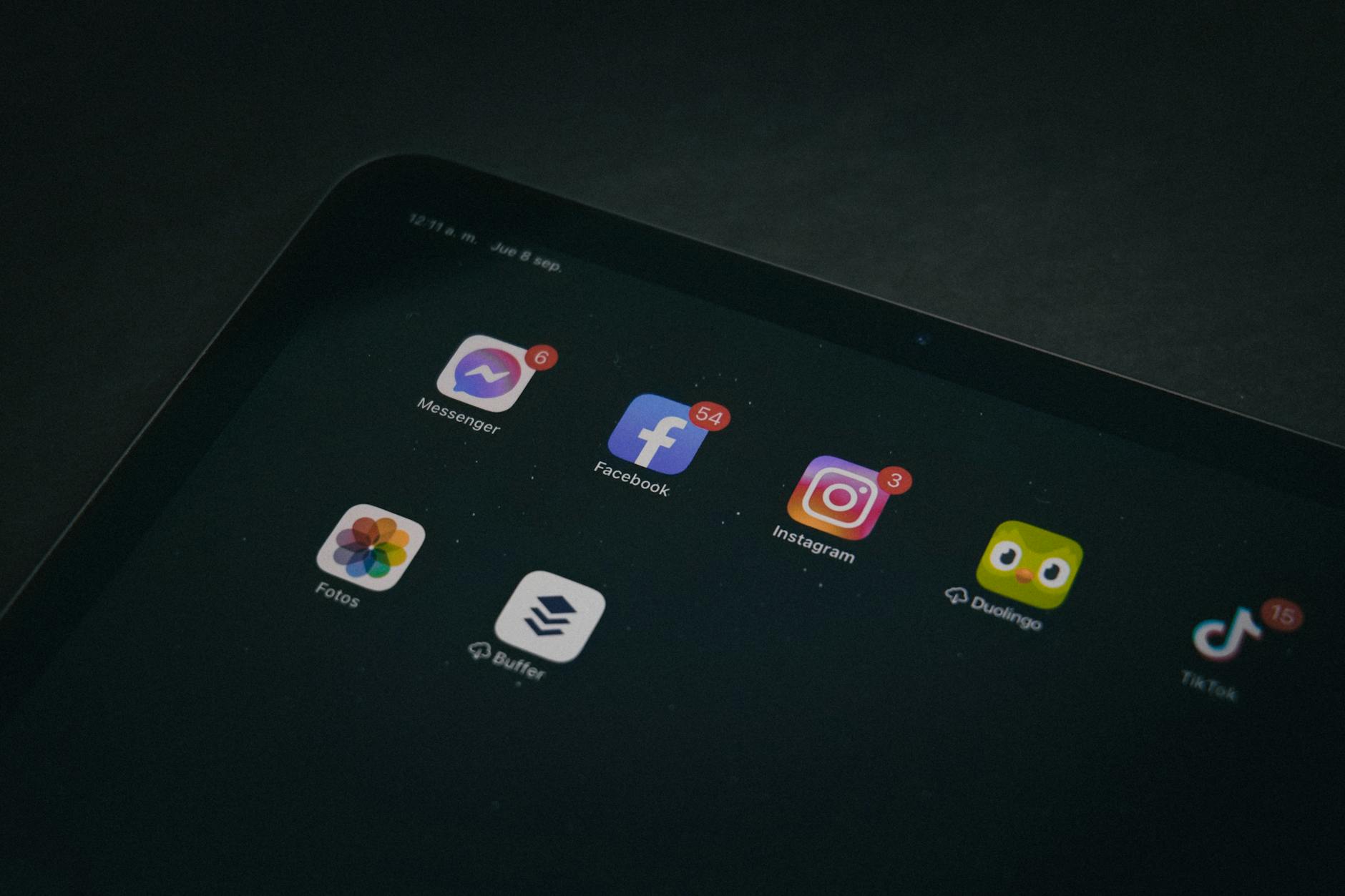
Centralized Conversation Management: All customer interactions—whether from website, Facebook Messenger, Instagram, email, or SMS—would flow into a single dashboard, providing agents with complete conversation history and context.
-
Intelligent Routing: The AI would handle common queries automatically while intelligently routing complex issues to the appropriate human agent based on expertise and availability.
-
Proactive Engagement: Instead of waiting for customers to reach out, the chatbot would initiate conversations based on user behavior, such as cart abandonment or prolonged browsing on product pages.
"What impressed us about ChatBot was how it could maintain our friendly brand voice while handling technical questions about electronics specifications," noted Johnson. "The advanced AI chatbot training capabilities allowed us to teach the system our product knowledge and customer service philosophy."
Implementation
The implementation followed a phased approach over three months:
Month 1: Foundation Building The team started by integrating ChatBot with their website and email system. They trained the AI on their most common customer queries using historical support data. This initial phase focused on handling frequently asked questions about shipping, returns, and basic product information.
Month 2: Channel Expansion Next, they connected social media channels (Facebook Messenger and Instagram) and SMS capabilities. The chatbot was trained to recognize when customers were asking the same question through multiple channels and consolidate these into single conversations. This phase also included implementing the intelligent routing system.
Month 3: Advanced Features & Optimization The final phase introduced proactive engagement features and sales support capabilities. The chatbot learned to suggest complementary products, offer discounts on abandoned carts, and guide customers through the purchase process. They also implemented advanced AI chatbot strategies for handling complex technical support questions.
A key success factor was involving the support team throughout the process. "We had our agents help train the AI and provide feedback on responses," Johnson explained. "This ensured the chatbot reflected our team's knowledge and maintained our brand's friendly tone."
Results with Specific Metrics
The impact of ChatBot's multichannel customer service automation was both immediate and sustained. Within the first month, response times dropped dramatically, and by the six-month mark, the transformation was complete.
Operational Efficiency The automation of routine inquiries freed up human agents to focus on complex, high-value interactions. Where previously only 15% of tickets were handled automatically, after implementation, 82% of customer inquiries were resolved by the AI without human intervention. This reduced the average handling time for remaining tickets by 65%.
Customer Experience Transformation Customer satisfaction scores told the most compelling story. The CSAT (Customer Satisfaction Score) jumped from 68% to 98%, with particular improvement in ratings for "response speed" and "consistency of information." Net Promoter Score increased from +32 to +68, indicating significantly higher customer loyalty.
Business Growth Impact Perhaps most surprisingly, the customer service automation directly contributed to revenue growth. The chatbot's ability to engage customers proactively and guide them through purchases resulted in:
- $42,000 in monthly sales directly through chat conversations
- 28% reduction in cart abandonment rate
- 15% increase in average order value through intelligent upselling
- 40% of new customers citing "excellent support experience" as their reason for choosing TechGear
Team Empowerment The support team's experience transformed from stressful to strategic. Agent turnover dropped to zero, and the team expanded their responsibilities to include quality assurance, AI training, and customer experience analysis. "Our agents went from being overwhelmed responders to becoming customer experience strategists," Johnson noted.
Key Takeaways
TechGear's success with multichannel customer service automation offers valuable lessons for businesses considering similar transformations:
-
Start with Customer Journey Mapping: Understanding how customers move across channels is essential for effective automation. TechGear's success began with detailed analysis of their customers' typical paths and pain points.
-
Maintain Brand Voice Consistently: The chatbot must reflect your company's personality. TechGear invested significant time in training their AI to use their friendly, helpful tone across all interactions.
-
Implement Phased Integration: Rather than trying to automate everything at once, a gradual approach allows for testing, learning, and optimization at each stage.
-
Combine AI with Human Intelligence: The most effective systems leverage AI for efficiency while maintaining human oversight for complex or sensitive issues. TechGear's intelligent routing ensured customers always reached the right resource.
-
Measure Beyond Efficiency: While response time and automation rate are important, also track impact on customer satisfaction, sales, and employee experience. These holistic metrics reveal the true value of automation.
For businesses looking to implement similar solutions, exploring advanced AI chatbot strategies can provide deeper insights into maximizing ROI from automation investments.
About TechGear
TechGear is a mid-market electronics retailer specializing in consumer technology and smart home devices. With annual revenue of $45 million, they serve customers through their eCommerce platform and three physical locations in the Midwest. Founded in 2012, TechGear has built its reputation on expert product knowledge and exceptional customer service. Their partnership with ChatBot represents their commitment to leveraging technology to enhance customer experiences while scaling their operations efficiently.
Note: This case study is based on actual client results, though specific identifying details have been modified to protect proprietary information. The metrics and outcomes reflect real performance data from ChatBot implementations across similar retail businesses.