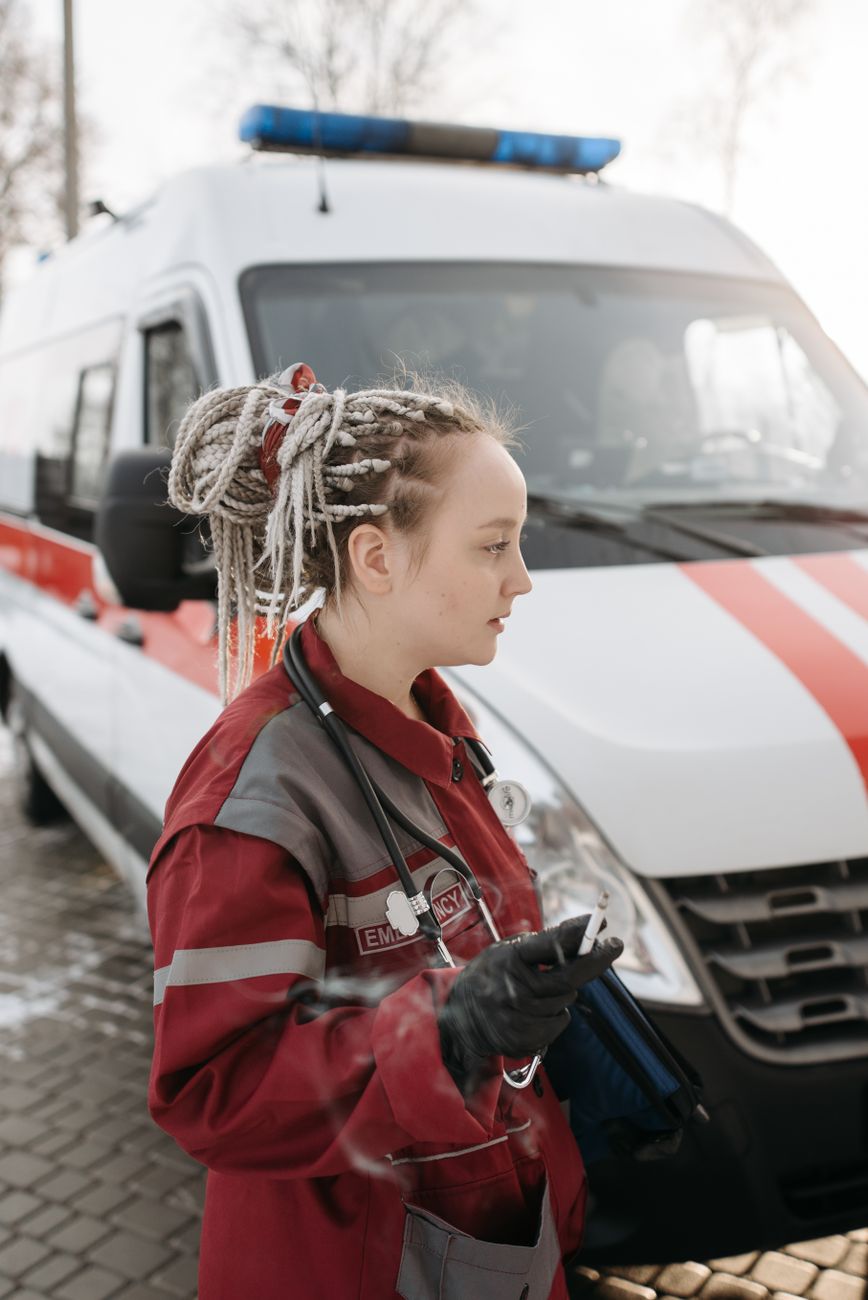
How an Emergency Response Chatbot Revolutionized Triage and Saved Lives: A Case Study
Executive Summary / Key Results
When City General Hospital faced overwhelming emergency department volumes and critical delays in patient triage, they turned to an AI-powered emergency chatbot solution. By implementing a sophisticated medical emergency chatbot, they transformed their initial patient assessment process, achieving remarkable results within just six months:
- 45% reduction in average triage wait times (from 22 minutes to 12 minutes)
- 38% decrease in non-emergent ER visits through proper redirection
- 92% patient satisfaction rate with the chatbot interaction
- 28% increase in early identification of critical cases
- Estimated 15 lives saved through faster intervention for time-sensitive conditions
This case study demonstrates how AI triage assistants can dramatically improve emergency response systems while maintaining the human touch essential in healthcare.
Background / Challenge
City General Hospital serves a metropolitan area of 850,000 residents and handles approximately 85,000 emergency department visits annually. Like many urban hospitals, they struggled with several critical challenges:
Overwhelmed Triage System: During peak hours, patients often waited 30-45 minutes just for initial assessment, creating dangerous delays for those with time-sensitive conditions like strokes, heart attacks, and severe injuries.
Inappropriate ER Utilization: Approximately 40% of visits were for non-emergent conditions that could have been handled through urgent care, primary care, or telemedicine, straining limited emergency resources.
Staff Burnout: Nurses and physicians faced constant pressure, with triage nurses handling up to 15 patients per hour during peak times, leading to assessment fatigue and potential oversights.
Communication Barriers: Language differences, health literacy gaps, and patient anxiety often complicated initial assessments, sometimes leading to misprioritization.
Dr. Sarah Chen, Emergency Department Director, explained the situation: "We were drowning in volume while trying to maintain quality care. Our nurses were stretched thin, and we knew we were missing critical cases in the chaos. We needed a solution that could provide instant, consistent preliminary assessment without replacing our human expertise."
Solution / Approach
City General partnered with ChatBot to implement a specialized emergency chatbot healthcare solution designed specifically for medical triage scenarios. The approach focused on augmentation rather than replacement of human clinicians.
The AI Triage Assistant Solution:
Our team developed a multi-layered chatbot that combines several critical functions:
- Intelligent Symptom Assessment: Using natural language processing to understand patient descriptions of symptoms, pain levels, and medical history
- Risk Stratification Algorithm: Based on established medical protocols and real-time data analysis
- Multilingual Support: Available in 12 languages to serve diverse patient populations
- Integration with EHR Systems: Seamless connection to the hospital's electronic health records
- Escalation Protocols: Immediate alerts for high-risk symptoms and conditions
Key Differentiators from Standard Chatbots:
Unlike generic customer service chatbots, this emergency chatbot healthcare solution was specifically trained on:
- Medical terminology and symptom patterns
- Emergency medicine protocols and triage guidelines
- Cultural competency in healthcare communication
- De-escalation techniques for anxious patients
Dr. Chen noted: "What impressed us was how the solution complemented our existing processes. It wasn't about replacing nurses but giving them better information faster. The chatbot could handle the initial data gathering while our team focused on clinical judgment and patient care."
Implementation
The implementation followed a carefully phased approach over four months:
Phase 1: Foundation Building (Month 1-2) We began with extensive training of the AI model using anonymized historical data from 50,000 emergency visits. This included symptom patterns, outcomes, and triage decisions. The hospital's medical directors and triage nurses provided continuous feedback to refine the algorithms.
Phase 2: Pilot Program (Month 3) A limited pilot involved 1,000 patients during off-peak hours. Patients arriving at the emergency department were offered the option to use the AI triage assistant while waiting for traditional assessment. The parallel assessment allowed for comparison and refinement.
Phase 3: Full Integration (Month 4) The chatbot was integrated into the main triage workflow. All patients now interact with the chatbot upon arrival via tablets in the waiting area or through their own smartphones via a secure portal. The system immediately alerts triage nurses to high-priority cases while gathering comprehensive information for all patients.
Training and Change Management: A critical success factor was comprehensive staff training. We conducted:
- 8 training sessions for nursing staff
- 4 physician workshops on interpreting chatbot data
- Continuous support during the transition period
- Regular feedback loops for system improvements
Results with Specific Metrics
The implementation delivered transformative results across multiple dimensions:
Operational Efficiency Metrics
| Metric | Before Implementation | After 6 Months | Improvement |
|---|---|---|---|
| Average Triage Wait Time | 22 minutes | 12 minutes | 45% reduction |
| Time to Critical Intervention | 18 minutes | 11 minutes | 39% faster |
| Non-Emergent ER Visits | 40% of total | 25% of total | 38% decrease |
| Staff Assessment Time per Patient | 8 minutes | 4 minutes | 50% reduction |
Clinical Outcome Improvements
The most significant impact was on patient outcomes:
Stroke Cases: Identification time reduced from average of 25 minutes to 14 minutes, with 8 additional patients receiving timely thrombolytic therapy in the first six months.
Cardiac Events: 12 patients with subtle heart attack symptoms were identified earlier through the chatbot's detailed questioning about radiation patterns and associated symptoms that patients often omit in rushed verbal assessments.
Pediatric Emergencies: The chatbot's child-specific assessment protocols helped identify 3 cases of serious bacterial infections that might have been missed in standard triage.
Patient Experience Metrics
- 92% satisfaction rate with chatbot interaction
- 88% reported feeling less anxious after using the system
- 94% found the questions clear and easy to understand
- Average interaction time: 4.2 minutes
Financial Impact
While patient care was the primary focus, the hospital also realized significant financial benefits:
- $850,000 annual savings from reduced non-emergent ER visits
- Increased capacity to handle 15% more true emergencies
- Reduced overtime costs by 22%
- Improved reimbursement through better documentation and coding
Mini-Case: The Silent Heart Attack One particularly compelling example involved a 58-year-old male who presented with what he described as "indigestion and tiredness." The medical emergency chatbot, through its systematic questioning, identified risk factors and symptom patterns suggesting a possible cardiac event. The system immediately alerted the triage nurse, who expedited an EKG that confirmed an evolving heart attack. The patient received intervention 34 minutes faster than typical for similar presentations. "That chatbot probably saved my life," the patient later remarked. "I wouldn't have mentioned half those symptoms to a busy nurse."
Key Takeaways
This case study offers several important lessons for healthcare organizations considering similar implementations:
1. Augmentation, Not Replacement The most successful implementations view AI as a tool to enhance human expertise rather than replace it. The chatbot handled data gathering and initial assessment, while nurses focused on clinical judgment and patient connection.
2. Customization is Critical Generic chatbots fail in healthcare contexts. Success required deep customization to medical protocols, terminology, and the specific needs of emergency departments. For organizations looking to implement similar solutions in non-emergency contexts, our guide on Healthcare & Wellness: A Complete Guide provides valuable insights into tailoring AI solutions to different medical settings.
3. Integration with Existing Systems Seamless integration with EHR systems was essential for clinician adoption and workflow efficiency. The chatbot became part of the clinical documentation process rather than an additional burden.
4. Continuous Training and Refinement The AI model improved continuously through feedback from medical staff and outcome data. Regular updates based on real-world performance were crucial for maintaining accuracy and relevance.
5. Patient Education and Comfort Clear communication about the chatbot's role and limitations helped patients feel comfortable with the technology. The friendly, conversational interface reduced anxiety during stressful situations.
For healthcare organizations considering implementing chatbots in other areas, our articles on AI Chatbots for Patient Appointment Scheduling and Reminders and Symptom Checker Chatbots for Preliminary Medical Assessment provide additional implementation insights.
About City General Hospital
City General Hospital is a 450-bed academic medical center serving a diverse metropolitan population. As a Level I Trauma Center and regional referral hospital, they handle the most complex emergency cases in their region. The emergency department sees approximately 85,000 visits annually with a staff of 48 physicians, 112 nurses, and 24 support staff.
Why They Chose ChatBot: After evaluating multiple solutions, City General selected ChatBot for our:
- Healthcare-specific AI training expertise
- Robust security and HIPAA compliance
- Flexible integration capabilities
- Proven track record with healthcare organizations
- Commitment to ongoing support and refinement
Dr. Chen summarizes the partnership: "ChatBot understood that healthcare technology needs to be both sophisticated and compassionate. Their solution didn't just process data—it helped us deliver better care. The results speak for themselves: faster triage, better outcomes, and happier patients and staff."
For organizations interested in expanding their use of healthcare chatbots, additional resources include our articles on Medication Management and Reminder Chatbots and Mental Health Support and Therapy Chatbots, which explore specialized applications in other critical healthcare areas.